ILEItalian Lifestyle
Experience

About us

An Italian vision, open to the world.

Italian Lifestyle Experience connects territories, businesses, culture, research and people—turning Made in Italy from a place of origin into an authentic, shared experience.

01

Italian Lifestyle Experience

Italian Lifestyle Experience is the platform curated by the Club degli Amici del Made in Italy, bringing together experiential tourism, culture, business, craftsmanship, innovation and exports.

Although it represents around 0.8% of the Earth's surface, Italy is the country with the largest number of UNESCO World Heritage Sites. Alongside this heritage are design, fashion, agrifood, mechanical engineering, boating, automotive, art, culture, landscapes and a network of small and medium-sized enterprises unlike any other in the world.

Italian Lifestyle Experience starts with this network of businesses, artisans, corporate museums, showrooms, destinations, hotels, restaurants, itineraries, events and business networking, bringing it together in a large digital and physical ecosystem. It includes institutions, businesses, associations, Chambers of Commerce, local authorities and economic operators interested in strengthening the presence of Italian Lifestyle in international markets.

The project will become a national reference point for mapping, telling the stories of and promoting this heritage, creating a major portal for Italian experiences, to be launched on a dedicated website. Each event may feature its history, images, calendar, local products, itineraries, hospitality, videos, interviews and connections with local businesses, artisans and producers.

Objectives:

  • Strengthen Italian cultural identity.
  • Connect every event with the finest expressions of Italian Lifestyle.
  • Present Italian products and services throughout Europe, and subsequently worldwide, facilitating contact between suppliers and local buyers.
  • Promote destinations throughout the year.
  • Encourage experiential tourism.
  • Give visibility to individual local businesses, artisans and volunteer organisations.

The platform will gradually develop into a multilingual portal with an associated app for easy browsing and booking experiences. Its events calendar will be prominent and constantly updated. The website and app will also underpin a marketplace that will, over time, make it easier for people worldwide to purchase goods and services from Italy. This will be integrated with B2B networking and customer relationship management tools for participating businesses, serving both their target audiences and their relationships with end users. Editorial content and storytelling will bring everything together.

The benefits will create substantial value for everyone. Businesses will gain qualified visibility and new customers; destinations will attract more high-quality tourism; visitors will enjoy authentic Italian experiences; and institutions will enhance their heritage, with positive effects on economic development.

The inspiration is international, but the project is deeply Italian. Italian Lifestyle Experience aims to become the world's reference platform for discovering, experiencing and doing business with Italy's economic and cultural ecosystem.

02

Our criterion

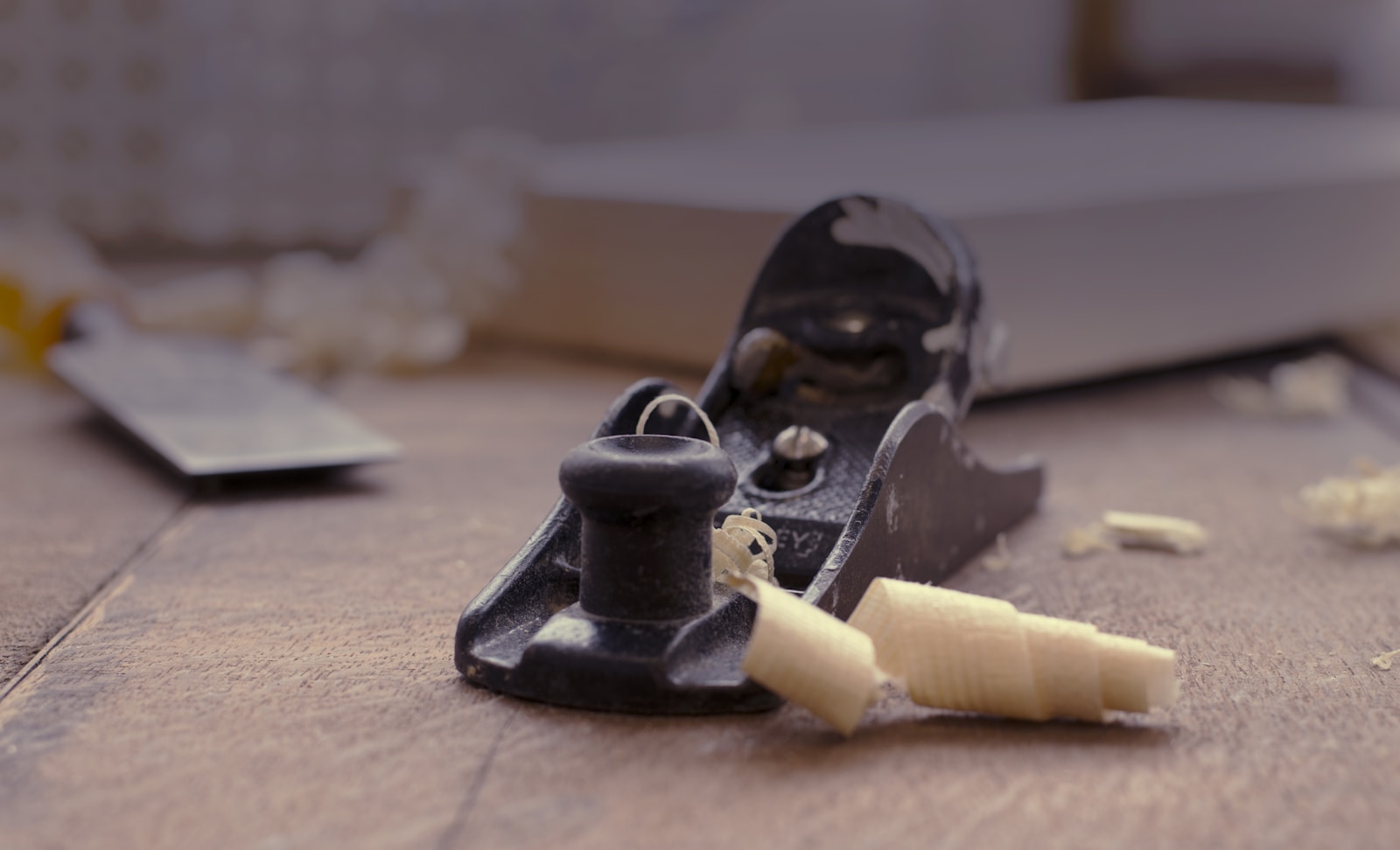
A hand plane and wood shavings on a workbench.
The value of craftsmanship.Mike Kenneally

Italian Lifestyle Experience aims to provide the best possible global showcase for Italian production excellence. It will tell the story of skilled craftsmanship through authentic experiences, itineraries and a network of master artisans.

The objective is to develop an original model that expresses Italy's DNA and enhances the entire Made in Italy ecosystem by connecting outstanding businesses, promoting cultural and experiential tourism, and creating economic and reputational value for destinations.

Italian Lifestyle Experience will involve artistic craftsmanship, manufacturing businesses, design, fashion, agrifood, food and wine, corporate museums, showrooms, industrial districts and tourist routes. It will also create training, international networking and B2B opportunities.

In practical terms, this means creating a portal showcasing Italian excellence, telling entrepreneurs' and artisans' stories through professional photography and video. A second phase will introduce events, visits and networking, regional maps of outstanding businesses, premium profiles and promotional services.

Its strengths will include quality-based business selection, compelling photographs and videos, comprehensive profiles covering history, techniques and products, experiences and workshop visits, searches by location and category, and an elegant, consistent brand.

Italian Lifestyle Experience aims to become the international reference point for anyone wishing to discover authentic Italy, meet its businesses, enjoy exclusive experiences and understand the reasons behind the success of Made in Italy.

Inspiration is the starting point; Italian identity is the destination. By connecting the two, Italian Lifestyle Experience aspires to become an international platform for promoting Italian excellence, strengthening destinations and creating new economic and cultural opportunities through an original, recognisable and deeply Italian model.

03

The seven pillars

Agriculture

Agriculture is a key sector of Italy's economy, comprising around 1.1 million farms, producing more than €33 billion in added value and leading Europe in quality PDO and PGI products.

Our country is among the world's foremost producers of quality wine and olive oil. Wheat and maize are widespread, particularly in the valleys of northern Italy, while the South stands out for its substantial production of fruit, citrus fruit and vegetables, also typical of other regions.

Italy has one of Europe's largest organically cultivated areas and a strong tradition of combining food production with farm stays, educational farms and green energy production.

Italy must maintain this excellence by expanding the adoption of advanced Industry 4.0 technologies, while most farms currently use traditional methods. These technologies could also limit damage from climate change, including drought, heatwaves and extreme weather. Greater collaboration would also be desirable. Italian farms currently average around 11 hectares, a small size that makes competing in large markets more difficult.

Agrifood

Agrifood is a fundamental pillar of the Italian economy, worth around 15% of national GDP. The entire supply chain generates turnover exceeding the €500–700 billion range, driven by record exports of over €73 billion and strong European leadership in agricultural added value.

Italy ranks first in Europe for agricultural added value, at €44.4 billion. The sector involves more than 1.2 million businesses and employs 3.6 million people. Italy leads the European Union in the number of products with protected designations of origin and protected geographical indications, PDO and PGI. Its supply chain is internationally recognised as a model for producing exceptionally high-quality fruit and vegetables, while historic businesses and international groups are global leaders in food and beverages.

Craftsmanship

Craftsmanship is a historic and economic pillar of Made in Italy, based on local traditions, microbusinesses with fewer than ten employees and manual techniques handed down over centuries. Ancient guilds once governed working rules and the teaching of young apprentices.

Every region offers unique products linked to its history and local materials. Many businesses combine traditional manual skills with new technologies and robotics.

Fashion

Italian fashion is a global synonym for elegance, exceptional craftsmanship and stylistic innovation. Rooted in the Made in Italy tradition, it is distinguished by its unique ability to combine meticulous tailoring with constant reinterpretation of contemporary trends. Milan is its undisputed capital, supported by events organised by the Camera Nazionale della Moda Italiana.

Italian fashion has several distinct identities, each with its own aesthetic approach:

  • Avant-garde minimalism: brands such as Prada continually redefine intellectual luxury and geometric restraint.
  • Timeless elegance: names such as Giorgio Armani represent the highest expression of fluid tailoring and formal sophistication.
  • Outstanding leather craftsmanship: houses such as Fendi and Bottega Veneta elevate leatherwork and accessories into works of art.
  • Opulence and sensuality: historic names such as Versace and Dolce & Gabbana celebrate bold glamour, colour contrasts and Mediterranean cultural roots.

Beyond haute couture shows, Italian style is present in everyday street life. Milanese street style is exceptionally versatile: tailored coats, monochrome outfits and leather accessories remain staples combining urban comfort with formal precision.

Manufacturing

Italy's manufacturing sector ranks second in Europe and accounts for around 15% of GDP. Italy is the world's eighth-largest manufacturing power. Its strengths include mechanical engineering, fashion and food, despite the small size of its businesses and some recent production declines.

It generates more than 60% of total production and almost all the country's exports. It employs millions through a dense network of small and medium-sized businesses. Mechanical engineering and metallurgy lead in export value and volume. Fashion and textiles are historic Made in Italy specialities, while food and beverage production is famous worldwide.

Design

Italian design is a global centre of excellence born from the meeting of art, craftsmanship and industry, celebrated for combining aesthetics, function and material quality. Its historical foundations include the post-war period, the economic boom and Milan's key role as a world design capital, home to the Triennale—the only permanent venue for Bureau International des Expositions events—and the renowned Salone del Mobile.

A turning point came after the Second World War, when production shifted to mass manufacturing and everyday objects, such as the Vespa, became Made in Italy icons. Entrepreneurial vision combined with experimentation in new technologies to produce outstanding research and new materials. Masters and icons include Gio Ponti, designer of the Superleggera chair; Achille and Pier Giacomo Castiglioni, creators of celebrated lamps such as Arco; Vico Magistretti, known for essential furniture and lighting designs such as Teti; and Ettore Sottsass, leader of the postmodern movement and the Memphis group.

Tourism

Tourism is one of Italy's economic engines, directly generating more than 5% of GDP and placing the country second in Europe for total overnight stays, behind Spain and ahead of France. Summer 2026 is proving to be another record season: official Ministry of Tourism figures show a 4.4% increase in July, equal to more than four million additional overnight stays compared with the previous year, driven mainly by a substantial return of international visitors.

Coastal destinations attract 53% of total tourist flows, led by established seaside resorts. Rome remains the leading city of art, with 37.2 million visitors annually, followed by Venice and Milan. International visitors are the main source of growth in accommodation demand, although short visits and day trips are also increasing as people adapt their budgets to rising prices.

Italy's conference tourism sector, or MICE—Meetings, Incentives, Conferences and Exhibitions—is also enjoying historic success, placing the country among the global leaders in professional events. According to the latest annual ICCA report, Italy ranks first in Europe and second worldwide for international association conferences, behind only the United States. More than 365,000 events took place in Italy in 2025, attracting around 27–28 million participants and generating €13.2 billion in revenue, with solid growth estimated at around 6%.

Leading Italian cities for performance and international reputation include Rome, Milan, Bologna, Florence, Naples, Turin and Venice. Northern Italy remains the driving region, hosting around 57.7% of all events. Milan is a hub for corporate conferences, major business events and technological innovation, while Rome accounts for 25.3% of the market. Rome is firmly established among the world's top ten conference cities thanks to its unique combination of major infrastructure, such as Fuksas's La Nuvola, and a historic heritage spanning millennia.
04

Why start in Lombardy

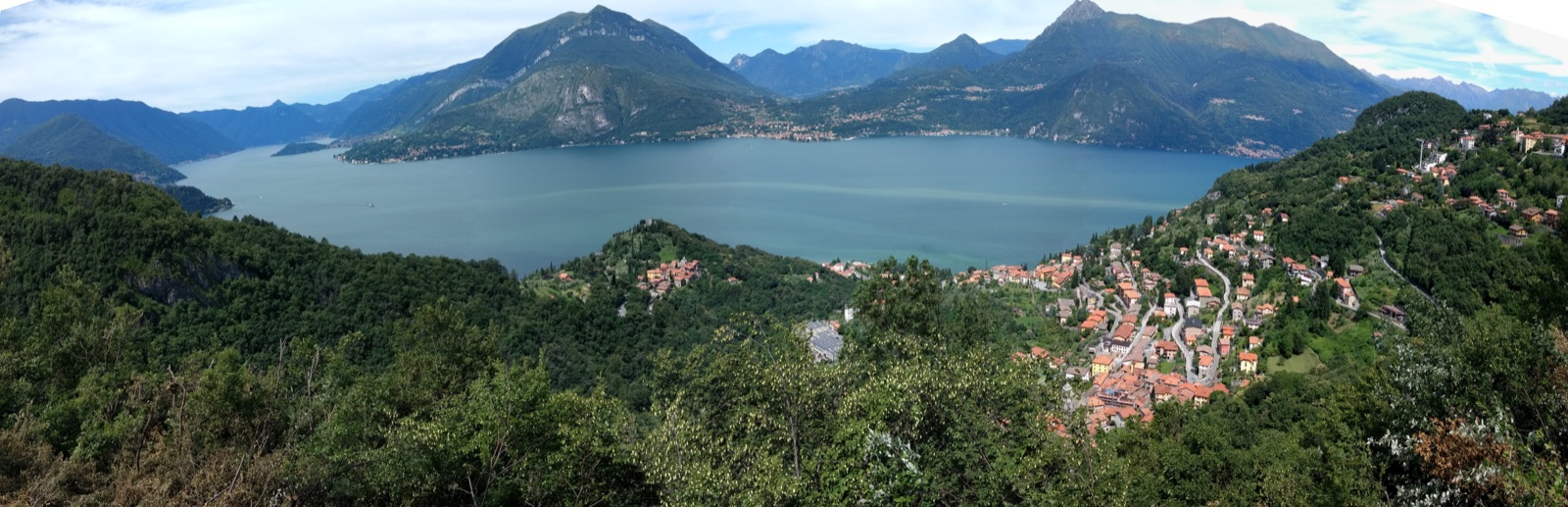
A panorama of Lake Como from above Varenna.
Lake Como, Lombardy.L. Shyamal · CC BY 4.0 · cropped

Lombardy is Italy's leading region for its economy, population and dynamism. It produces around one fifth of national GDP, 21%, is the most populous region with over ten million residents out of Italy's 59 million, and is the country's main industrial and financial engine thanks to Milan, home to Borsa Italiana.

It is the most industrialised region, with a dense network of small, medium and large businesses excelling across many sectors. It is Italy's manufacturing heartland and one of Europe's most productive areas. The fertile, water-rich Po Valley supports cereals, livestock farming and rice production.

Mechanical engineering leads in turnover and exports, with particularly high concentrations in the provinces of Milan, Brescia, Bergamo and Lecco, specialising in industrial machinery, components and electronics.

Above all, Milan is the world capital of ready-to-wear fashion. The surrounding area hosts the whole production chain, from textiles in Como, especially silk, and Varese to footwear in Vigevano. Brianza is a world-leading district for furniture, high-end interiors and industrial design.

Lombardy is also one of Europe's main pharmaceutical centres, with research and production concentrated along the Milan–Monza–Bergamo corridor. Its advanced agricultural supply chain supports outstanding food processing, particularly dairy products, including PDO cheeses, and confectionery in Cremona. Automotive components remain prominent in Brescia, while leading helicopter and aerospace businesses operate around Varese and the Turin–Milan corridor.

It is Italy's leading exporting region, accounting for 26% of national exports. In 2025, Lombardy's total exports reached a record €167.1 billion, up 1.8% on the previous year. First-quarter 2026 figures consolidate this position, with flows stable at €40.9 billion.

Machinery, representing 17%, remains the technological heart of exports, generating over €28.4 billion thanks to strong demand for specialised industrial equipment. Metal products, 15%, contribute €24.5 billion, driven by the metallurgical districts of Brescia and Bergamo. Chemicals, 11%, account for almost €18 billion, particularly fine chemicals and cosmetics. Textiles and clothing, 10%, represent fashion and high-end furnishings worth over €17.3 billion. Pharmaceuticals and electronic equipment, each at 7%, are worth €11.8 billion and €11 billion respectively, reinforcing Lombardy's position in advanced European manufacturing.

The European Union remains the fundamental strategic partner, taking the largest share of goods, particularly Germany and France. The United States is the region's leading non-EU market, with established trade exceeding €14 billion. Aerospace, concentrated in the Varese district, is among the fastest-growing international sectors, recording exceptional growth of 47.4% in global markets in the first three months of 2026.

Lombardy also offers an extraordinary tourism heritage: iconic pre-Alpine lakes, historic cities of art and Milan's cosmopolitan appeal. Nature, culture and design combine in an offer suited to every type of traveller.

Lake Como is world-renowned for historic villages such as Bellagio, Varenna and Menaggio, and grand historic residences including Villa d'Este and Villa del Balbianello. The Brescia shore of Lake Garda is known for the fortified town of Sirmione, home to the ancient Grotte di Catullo and Scaliger Castle, and the Mediterranean climate of Limone sul Garda. Lake Iseo is ideal for discovering Monte Isola, Europe's largest lake island, and the vineyards of neighbouring Franciacorta.

The cities offer equally rich attractions. Milan is unmissable for its Duomo, Galleria Vittorio Emanuele II, Sforza Castle and Leonardo da Vinci's Last Supper. Bergamo combines its modern Lower Town with the enchanting Upper Town, enclosed by the historic Venetian Walls, a UNESCO World Heritage Site. Mantua is a Renaissance gem associated with the Gonzaga family, famous for its Ducal Palace and Palazzo Te. Cremona is the world capital of the violin, with its Violin Museum and the Torrazzo, Italy's tallest brick bell tower.

For mountain lovers, Livigno and Bormio in upper Valtellina are leading Alpine destinations for skiing, high-altitude trekking and historic thermal spas. The Bernina Red Train is a spectacular UNESCO-listed railway from Tirano through the Swiss Alps to St. Moritz, passing glaciers and breathtaking scenery.

With these foundations, the reasons for launching this project in Lombardy are clear.

05

The role of Radio Studio Web Milano

Radio Studio Web Milano is Martesana's first visual radio station, founded in Cassina de' Pecchi, with programming combining cultural discussion, entertainment, local news and local sport. It is available through streaming and its official app on Google Play and the App Store.

It is a major advantage for Italian Lifestyle Experience, acting as a powerful amplifier from the very beginning and developing from an information medium into a tool for cohesion and social impact.

First, it will amplify voices and visibility, allowing initiatives to be told directly without intermediaries. It will give every participant a microphone, whether a business or a visitor: companies and audiences, creators and users of Made in Italy will be equal partners in building the community. News bulletins and programmes will be wholly or partly dedicated to the project and its development, particularly event launches and coverage. Local broadcasting will reach the surrounding area in depth, while the inherently borderless web presence will promote both the Club and Italian Lifestyle Experience internationally.

The station will be a powerful community-building tool at every level: an inclusive space for citizens, experts, sponsors and partners; a venue for round tables, debates and special programmes on issues important to the Club; and a channel for live interaction through listener messages and calls. It will build loyalty by turning occasional listeners into active members and enthusiastic supporters of Italian Lifestyle Experience. It will involve all generations and offer stimulating new roles to volunteers. Live fundraising campaigns will also show in real time how donations are used. Transparency comes first.

Finally, the podcast archive will turn live broadcasts into permanently available on-demand content, with audio and video excerpts working alongside social media accounts.

06

Italian Lifestyle Experience in Southern Italy

Southern Italy has an extraordinary heritage: agriculture, agrifood, gastronomy, landscapes, culture, the sea, villages, historic heritage, hospitality and the Mediterranean Diet. At the same time, universities, research, digital skills, startups, infrastructure and investment programmes are growing.

The challenge is to build a system that brings tradition and innovation together.

Italian Lifestyle Experience can support this process as a platform for connection and internationalisation, helping destinations recognise the value they already possess, connect it with new opportunities and make it understandable, accessible and appealing to the world.

Current circumstances make this approach particularly relevant. In 2025, Southern Italy recorded GDP growth of 0.6% and employment growth of 1.5%, higher than in the North and Centre. This is positive but insufficient: growth must translate into structural development, the ability to attract private capital and career opportunities for young people.

Tourism also provides a favourable foundation. Italian accommodation establishments exceeded 535 million overnight stays in 2025. Southern Italy's share of national tourism has almost doubled since 1962, although it remains below that of the Centre and North. In the first quarter of 2026, Italian tourist overnight stays increased by 7.5%, with international visitors representing 54.6% of the total.

These figures should not be read as a competition between regions. The strategic point is that international demand for Italy is growing while Southern Italy has a substantial base of local assets, skills, infrastructure and innovative initiatives that can be organised more effectively.

The mission is therefore to help build an international ecosystem for Southern Italy combining lifestyle, tourism, agrifood, culture, technology, research, education, industry and capital.

The project must begin with concrete examples. Bari and Naples already demonstrate several components of the ecosystem we intend to strengthen.

Bari — innovation, research and technology transfer

The Bari Open Innovation Hub, promoted by the Municipality of Bari, has an approved cost of around €6.4 million, including €4.7 million in public funding. It involves universities, the CNR, Meditech, technology companies and aerospace organisations, providing spaces for innovation and research, startup support and technology transfer to SMEs.

Naples — international education and technology entrepreneurship

The Apple Developer Academy in Naples, developed with Federico II University, has trained over 3,000 people from 80 countries and territories since 2016. Its programme combines coding, design, marketing, project management and AI, and has led to startups and new professional activities.

Campania — capital and strategic technologies

In June 2026, the Campania Region announced €150 million for 82 STEP projects, supporting total investment of over €260 million in biotechnology, digital and deep technology, and green technology, involving large, medium, small and microbusinesses.

The project can be developed through pilot territories and subsequently replicated. Bari, Naples and other centres can offer different gateways into one shared story: Southern Italy as a place where lifestyle and innovation coexist.

  • Urban gateway: Naples, Bari and other cities with universities, research, culture and international connections.
  • Rural gateway: agricultural areas, villages, businesses, wineries and local products.
  • Coastal gateway: tourism, boating, wellness, culture and premium services.
  • Industrial gateway: aerospace, digital technology, biotechnology, food technology and advanced manufacturing.
  • International gateway: events, business delegations, buyers, investors, media and overseas networks.

Once the ecosystem model has been defined, Italian Lifestyle Experience can conduct structured research among young people living in Southern Italy, those who have emigrated or returned, students, skilled workers and entrepreneurs.

The survey should measure more than job availability: careers, salaries, opportunities to change employer, services, housing, mobility, social life, perceptions of the future, international opportunities, service quality and the possibility of starting a family. It should also ask entrepreneurs what prevents investment and compare the two perspectives.

The aim will be to identify the concrete conditions that would make staying, returning or relocating worthwhile.

07

The great dream

Italian Lifestyle Experience aims to encourage a continuous improvement in the quality of Italy's offer. Participants must share values of authenticity, hospitality, sustainability, professionalism and respect for traditions. Quality must become Italy's main competitive advantage.

Promoting Made in Italy also means protecting it. The project can give visibility to authentic production, Italian supply chains and businesses investing in quality, becoming a cultural ally against imitations, counterfeiting and Italian Sounding—products misleadingly presented as Italian.

Success will come from connecting institutions, businesses, artisans, farmers, local tourism associations, guides, schools, universities and citizens. Every participant will be part of an ecosystem creating shared opportunities.

A share of the economic value generated by the project may support activities that struggle to survive independently: mountain dairies, small producers, historic workshops, family farms, traditional trades and local businesses. Within a national network, they can regain economic sustainability while preserving their authenticity.

Made in Italy is, above all, a heritage of skills. Embroiderers, goldsmiths, carpenters, ceramicists, violin makers, marble workers, glassmakers, weavers, restorers and hundreds of other trades embody knowledge built over centuries. The project aims to document, tell the stories of and promote these skills, creating new economic opportunities so they do not disappear.

Many young people leave traditional trades because they do not see a future in them. Italian Lifestyle Experience wants to demonstrate that tradition and innovation can coexist. Through training, experiences, international visibility and new market opportunities, artisanal trades can become attractive and well paid once again.

In ten years, we want anyone anywhere in the world planning a visit to Italy to naturally turn to Italian Lifestyle Experience to design their journey. Our brand should guarantee an authentic experience of Italy, going beyond monuments and major cities to meet people, destinations, traditions, businesses and communities.

The most important result will be more than increased tourism. It will be a stronger Italy, more aware of its value and better able to pass on the knowledge, traditions and manual skills that make it unique.

08

A vision within the vision

  • TAKING MADE IN ITALY TO THE WORLD: over time, we will meet Italian communities and people of Italian descent, whose networks offer reputation, distribution, market knowledge and business relationships.
  • BRINGING THE WORLD OF MADE IN ITALY BACK TO ITALY: we will attract skills, capital, technologies, managers, customers, partnerships and investment back to the country.
  • TURNING ROOTS INTO MARKETS: we will connect roots tourism with local products, craftsmanship, agrifood, culture, design and destinations.
  • BUILDING BRIDGES BETWEEN ITALIAN SMEs AND ITALIAN ENTREPRENEURS ABROAD: transforming a cultural network into a B2B and internationalisation network.
  • MAKING THE TERRITORY A BRAND: promoting not only Italian products but also the places, history, skills and communities that make them recognisable.
  • TURNING RETURNING VALUE INTO DEVELOPMENT: investment and relationships from Italians abroad should help create businesses, jobs and new opportunities in their places of origin.

In this vision, Made in Italy becomes a two-way circuit: Italy → world and world → Italy. The challenge is to build a model that exports identity, skills and relationships alongside products, while bringing capital, knowledge, markets and opportunities back to Italian destinations.

Let’s build the project together

Taking the Italian experience worldwide.